
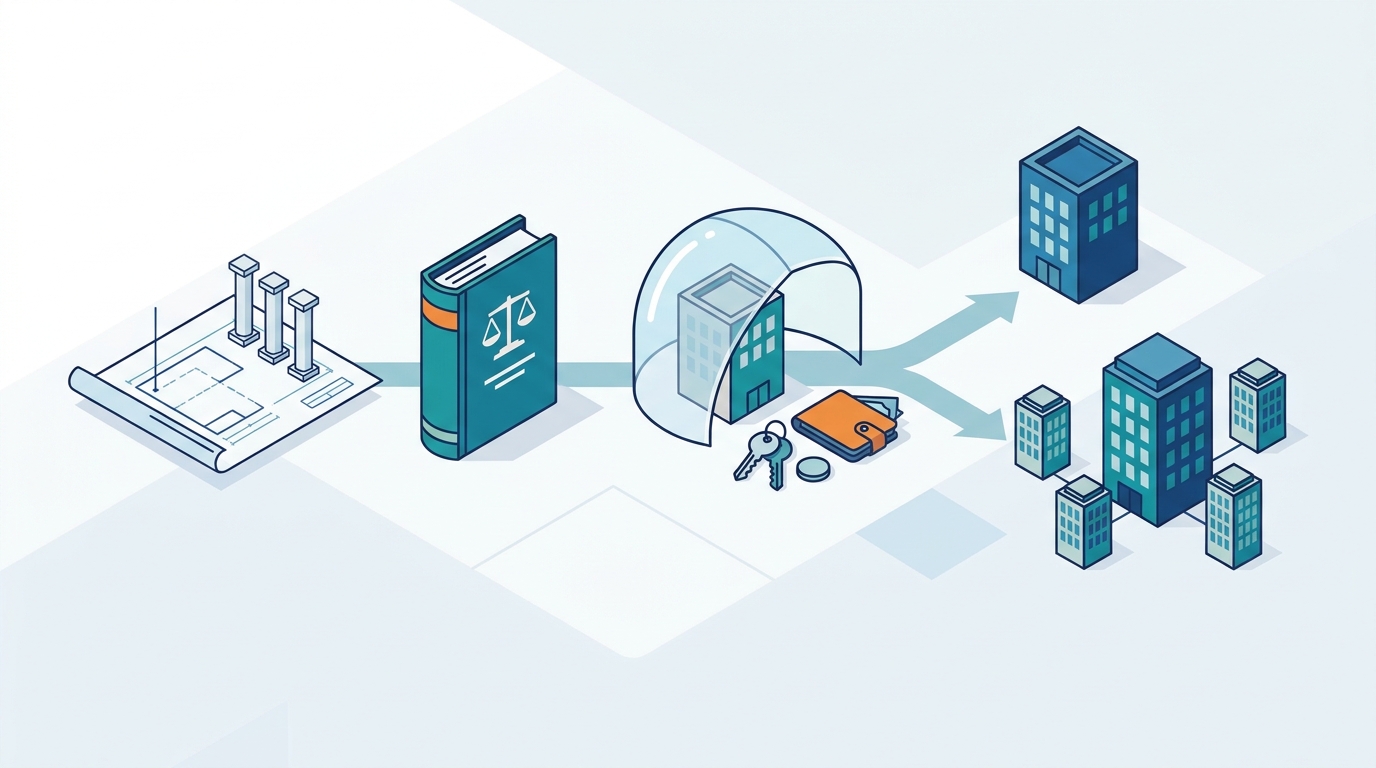
1. Define Your Business Model and Legal Form
Choose the legal form that matches your operational reality and risk profile. A BV is a separate legal entity, which limits personal liability for business debts. This distinction is critical for entrepreneurs who want to protect personal assets. You must also decide whether to operate as a standard BV or consider a holding structure for future growth.
2. Draft the Articles of Association
Prepare the foundational legal document that governs your company. The articles of association define the company's name, registered office, and share capital. They also outline the rights and obligations of shareholders and the board of directors. A notary must draw up these articles to ensure they comply with Dutch law.
3. Appoint Directors and Supervisory Board
Identify the individuals who will manage and oversee the company. A BV requires at least one director who is legally responsible for the company's administration. You may also appoint a supervisory board, which is mandatory for certain types of BVs. These appointments must be registered with the Chamber of Commerce.
4. Register with the Chamber of Commerce
Officially register your company to gain legal existence. The Chamber of Commerce (Kamer van Koophandel) is the central registry for all Dutch businesses. Registration provides your company with a unique Chamber of Commerce number. This step is essential for opening a bank account and signing contracts.
5. Obtain a VAT Identification Number
Register for Value Added Tax (VAT) with the Dutch Tax Administration. A VAT number is required for any business that sells goods or services in the Netherlands. The registration process is linked to your Chamber of Commerce registration. You must file VAT returns regularly, typically on a monthly or quarterly basis.
6. Set Up Corporate Bank Accounts
Open dedicated bank accounts to separate business and personal finances. Dutch banks require proof of registration and identification of directors before opening a corporate account. Maintaining strict separation of funds is a legal requirement for a BV. It also simplifies bookkeeping and demonstrates financial transparency to stakeholders.
7. Implement Bookkeeping and Tax Compliance
Establish a robust system for recording financial transactions and filing taxes. A BV must maintain accurate books and records in accordance with Dutch accounting standards. This includes filing annual accounts and corporate income tax returns. Proper bookkeeping ensures that your tax position is defensible and compliant with regulations.
Choosing the Right Approach
Select a professional partner who understands both the legal and tax dimensions of BV formation. The right adviser will help you align your structure with your business model, ensuring that administrative obligations do not hinder growth. Schmitz Tax Services provides the in-house quality you need, with a single point of contact for all your tax and accounting needs.
Frequently Asked Questions
How long does it take to set up a Dutch BV?
The process typically takes two to four weeks, depending on the notary's schedule and bank requirements. You should allow extra time for opening a corporate bank account, which can take several weeks after registration.
Do I need a notary to form a BV?
Yes, a Dutch notary is legally required to draw up the articles of association and register the company. The notary ensures that the legal formalities are met and that the company is properly established.
What is the minimum share capital for a BV?
There is no statutory minimum share capital for a standard BV. However, the total value of the shares must be fully paid up before the company starts trading. You can choose the amount that suits your business needs.
Can I be the sole director of my BV?
Yes, you can be the sole director of your BV. As the director, you are legally responsible for the company's administration and tax obligations. You may also appoint a supervisory board if required by your articles of association.
What are the ongoing tax obligations for a BV?
A BV must file corporate income tax returns, VAT returns, and annual accounts. It must also file payroll tax returns if it employs staff. These obligations are monitored by the Dutch Tax Administration and the Chamber of Commerce.
Next Steps
Ready to establish your Dutch BV? Contact Schmitz Tax Services for a free introductory conversation. We will help you navigate the formation process and set up the administrative foundation for your business.